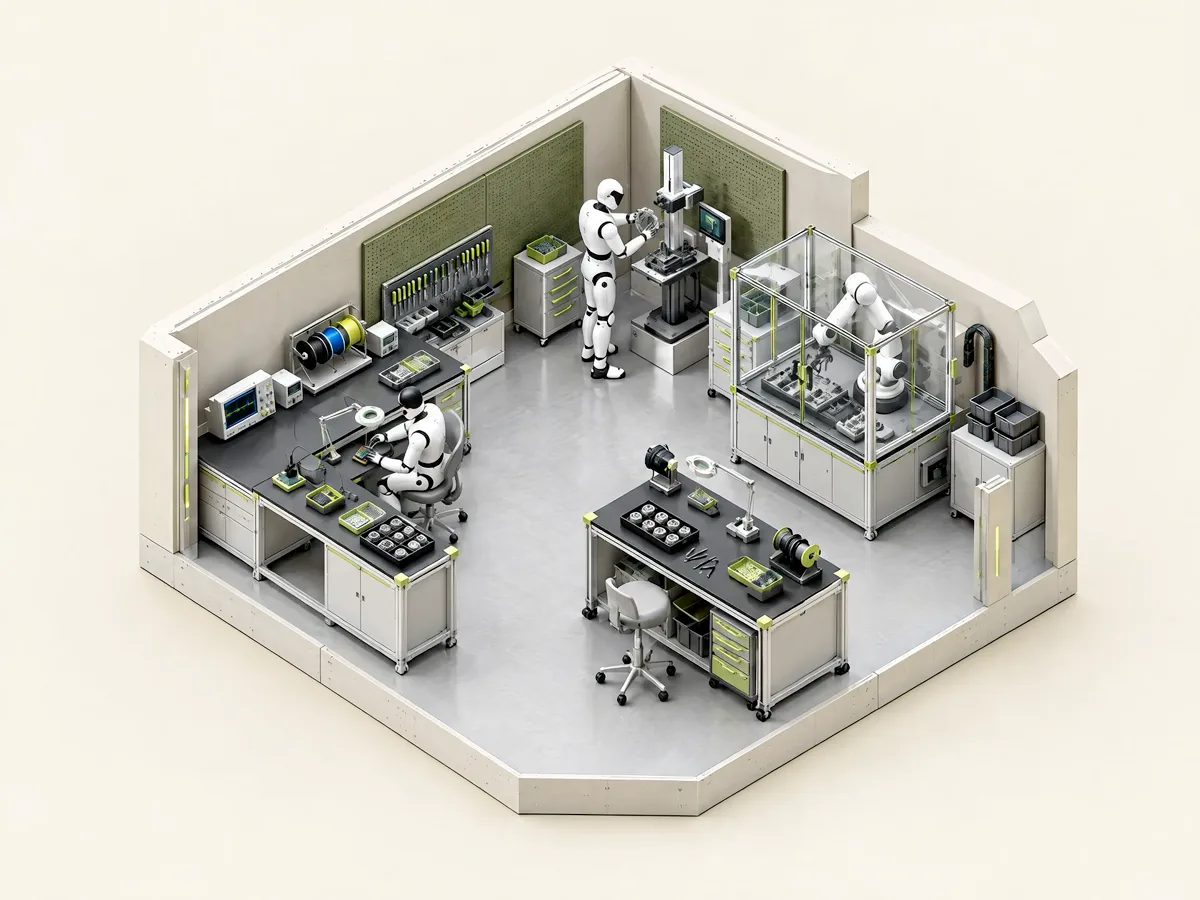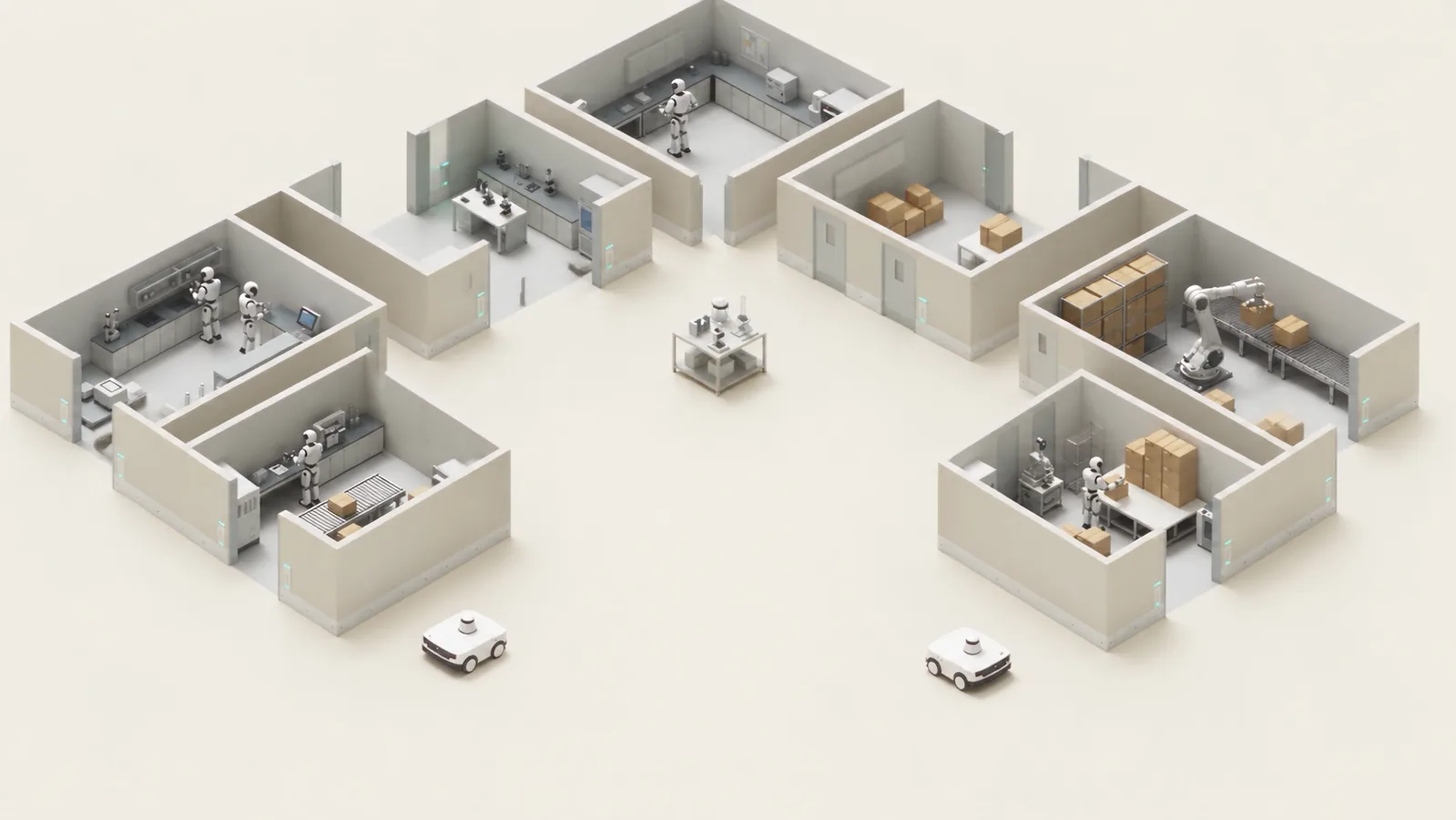
Build the world your robot learns in.
Generate USD assets and environments for robotics. Or find what you need in the hand-authored library below.
The hand-authored library.
Find objects, complete scenes and surfaces for your next simulation.
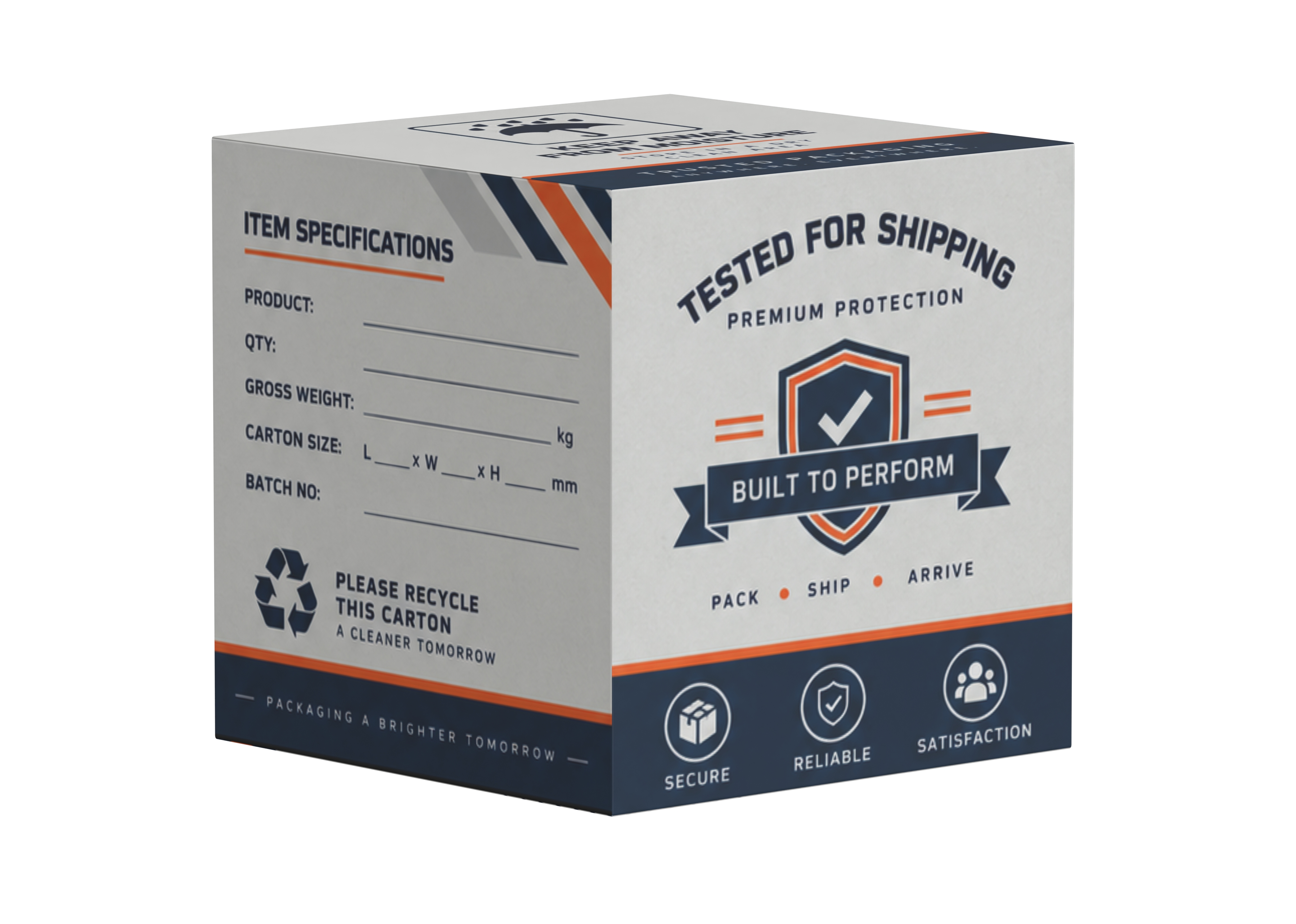
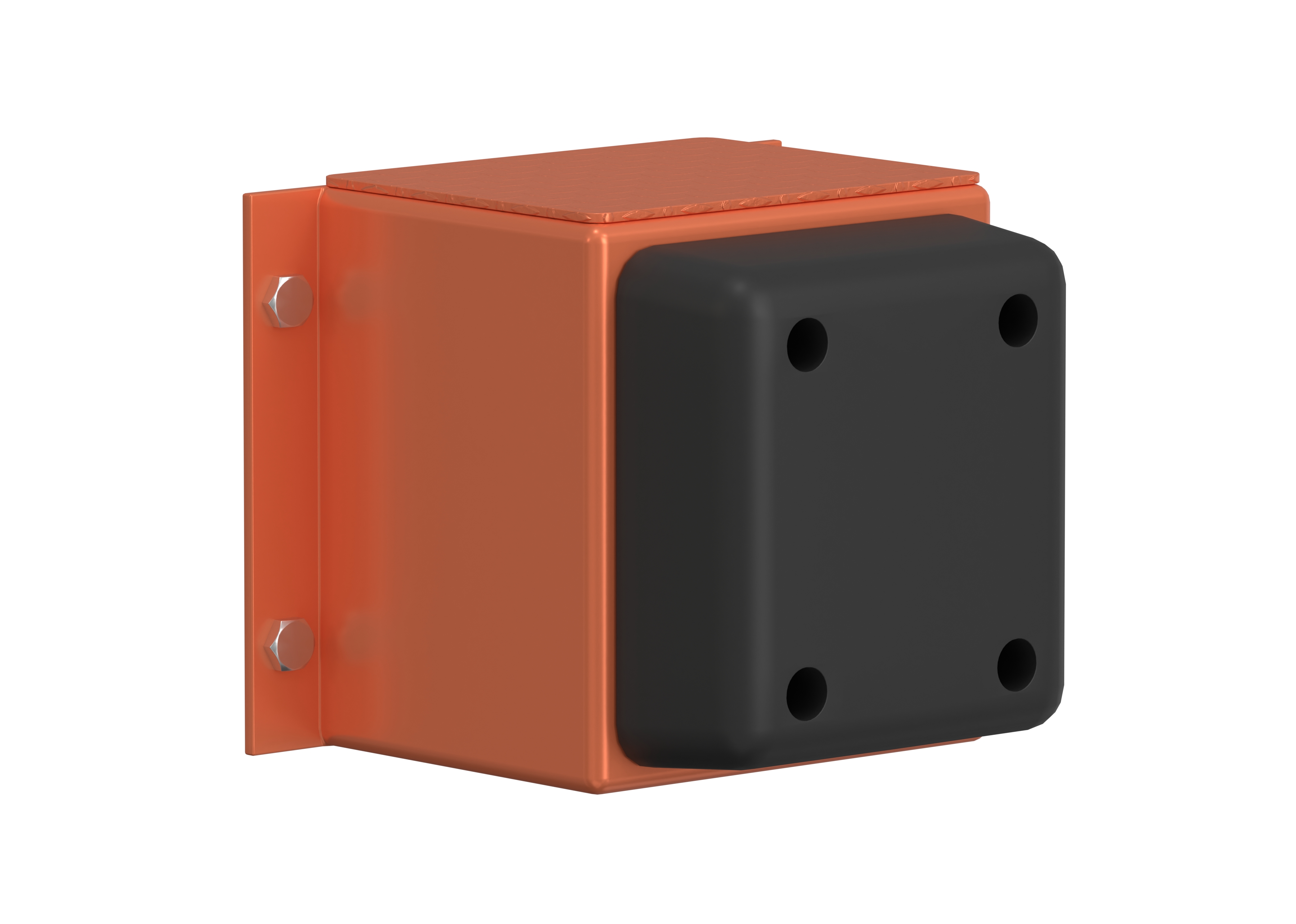
Assets
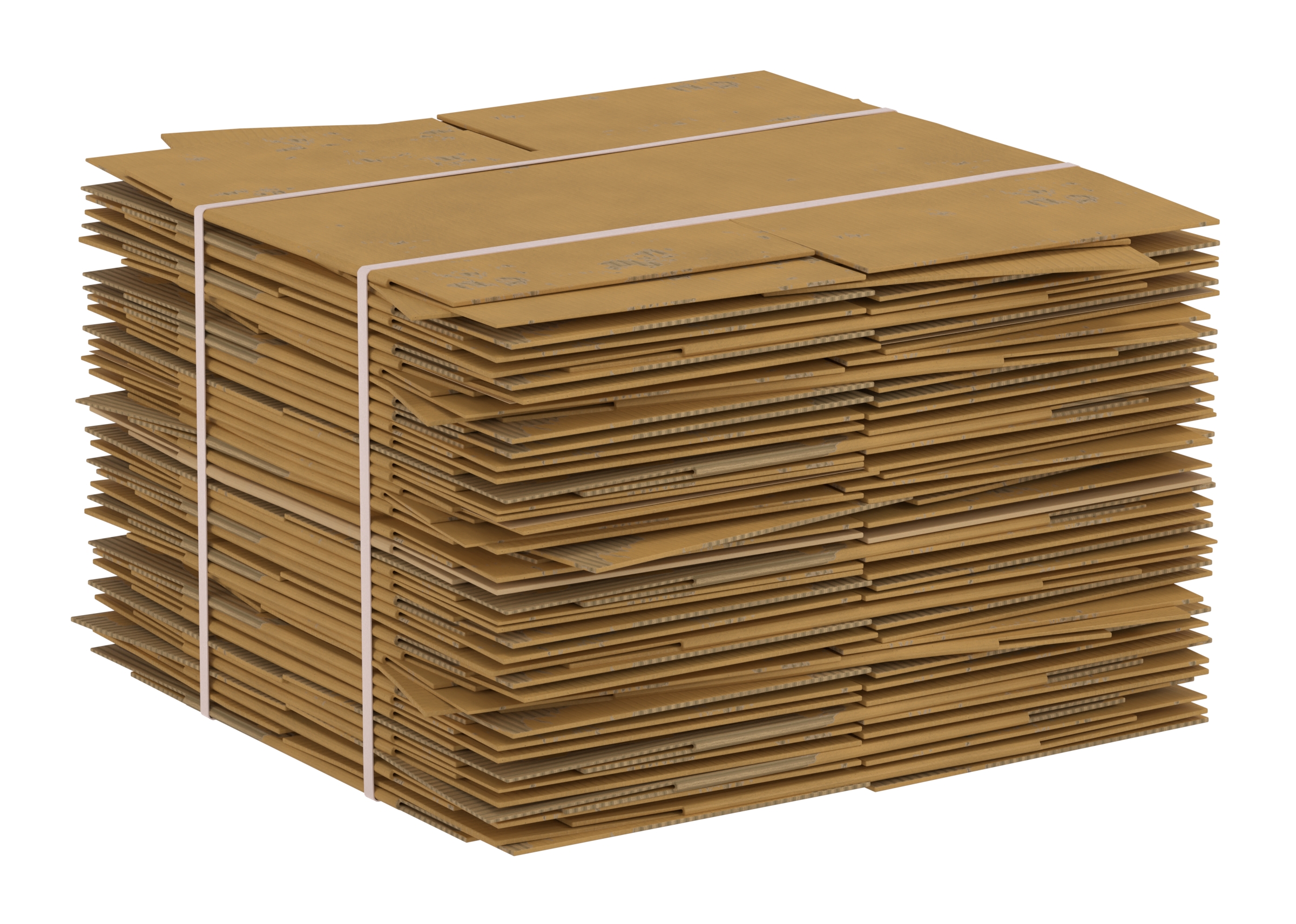
Individual objects with the geometry and physical properties your simulation needs.
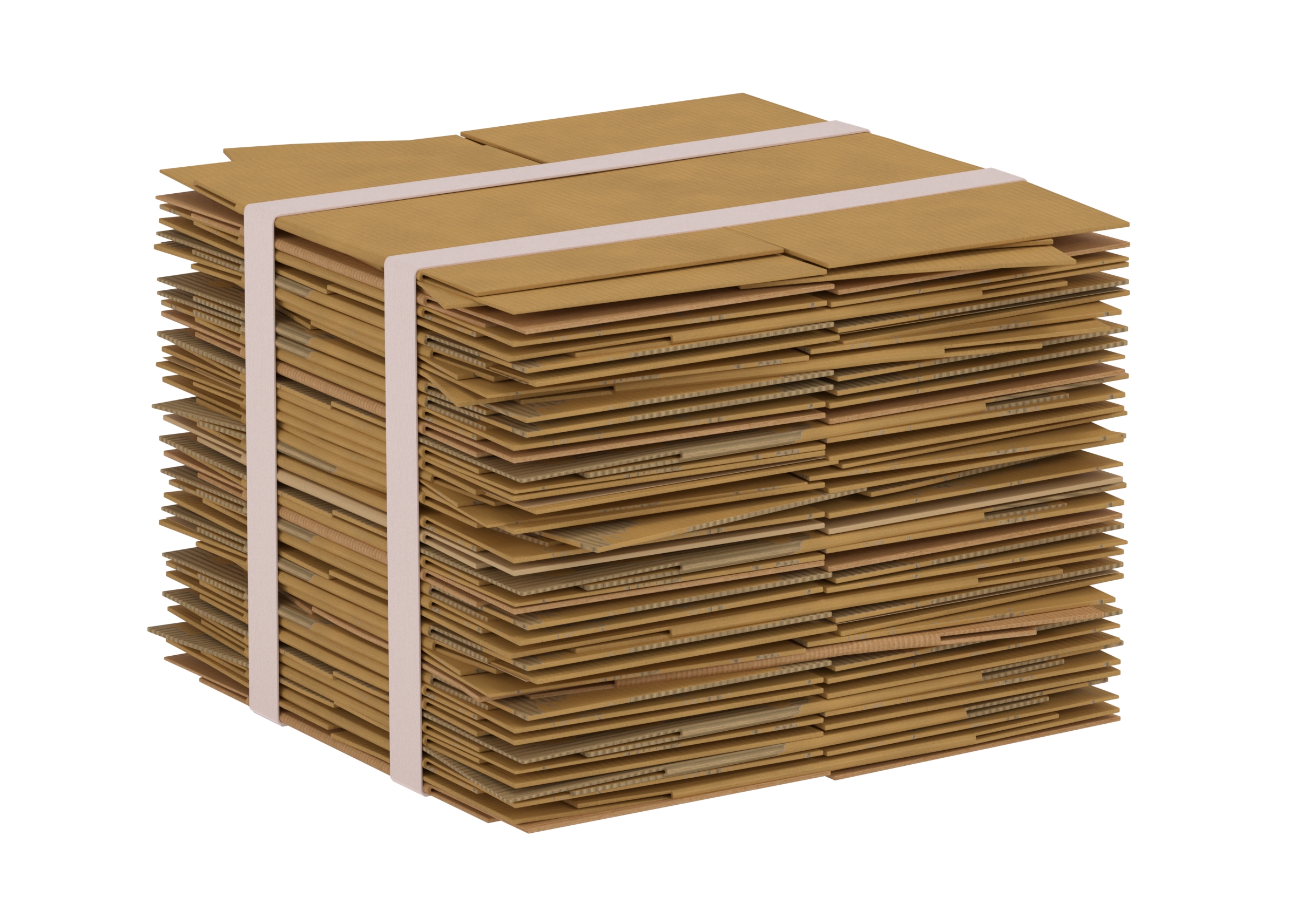
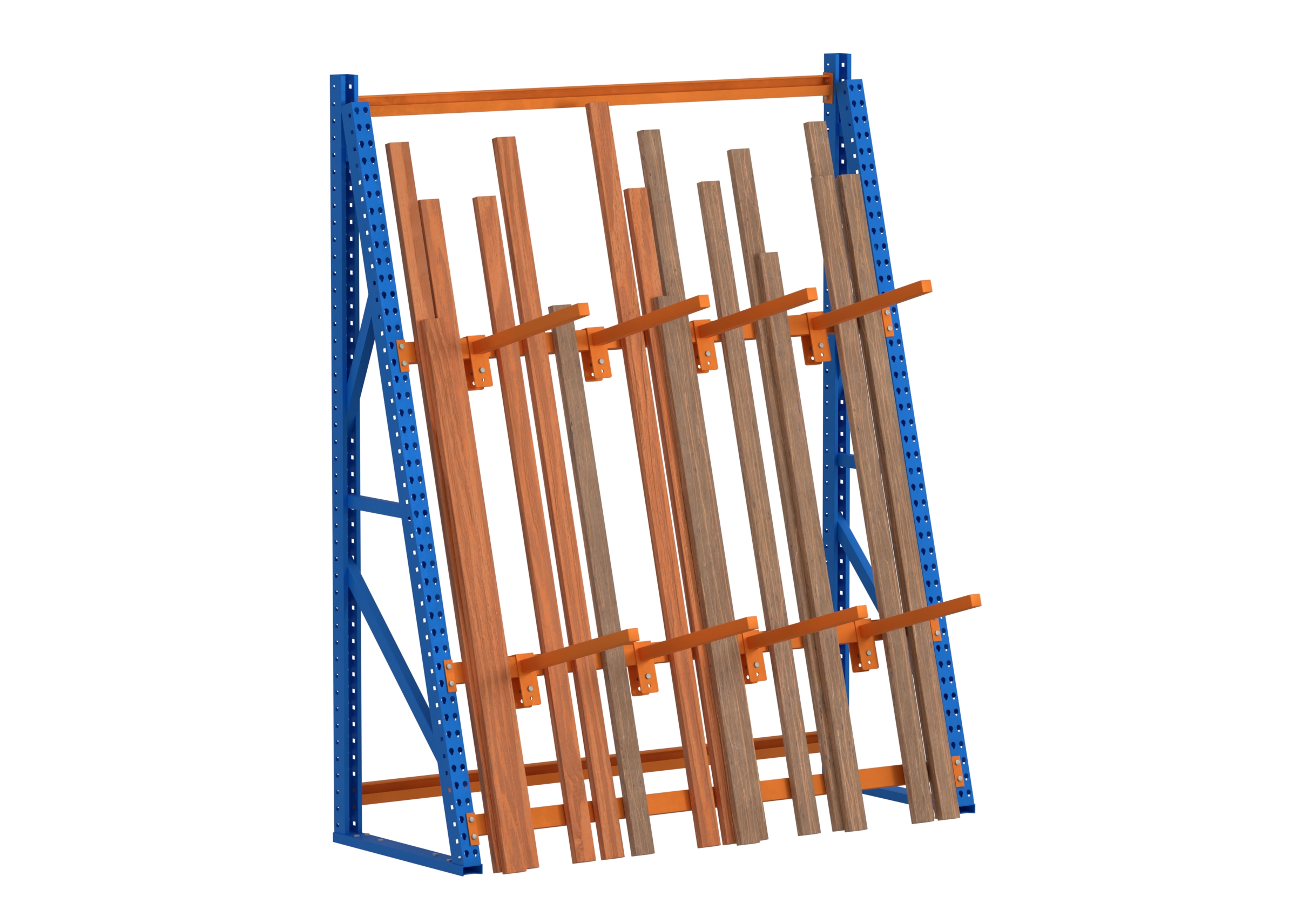
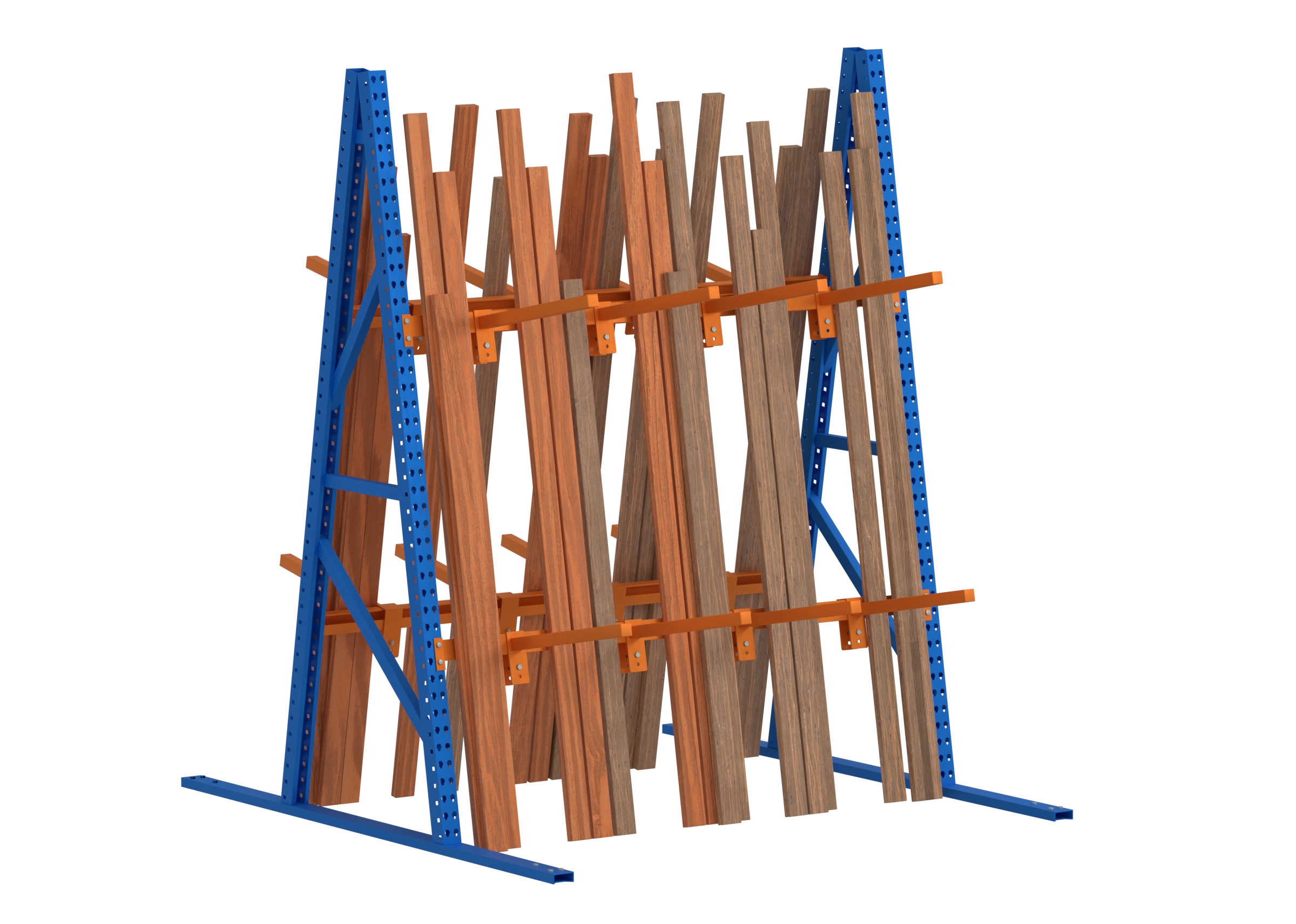
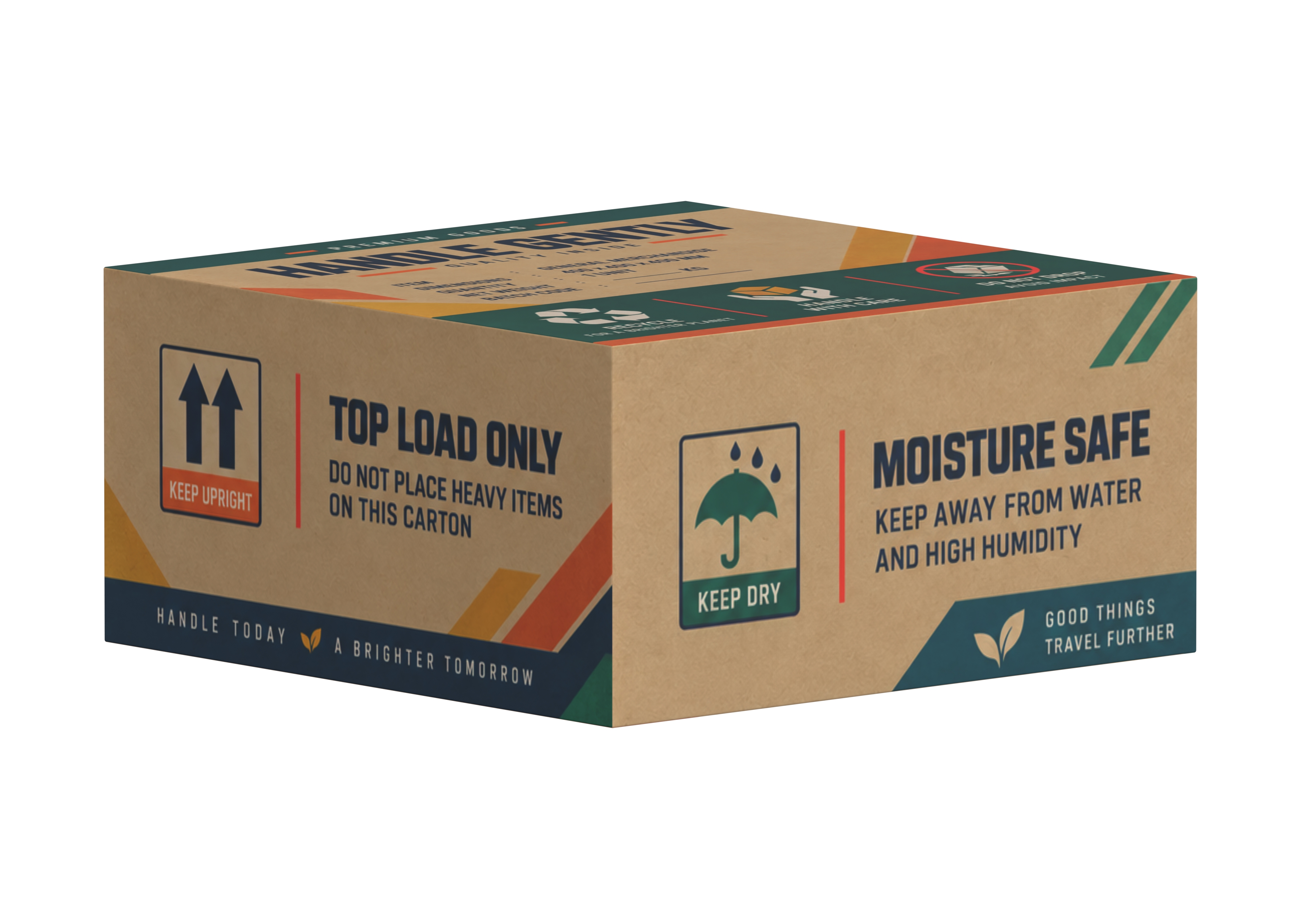
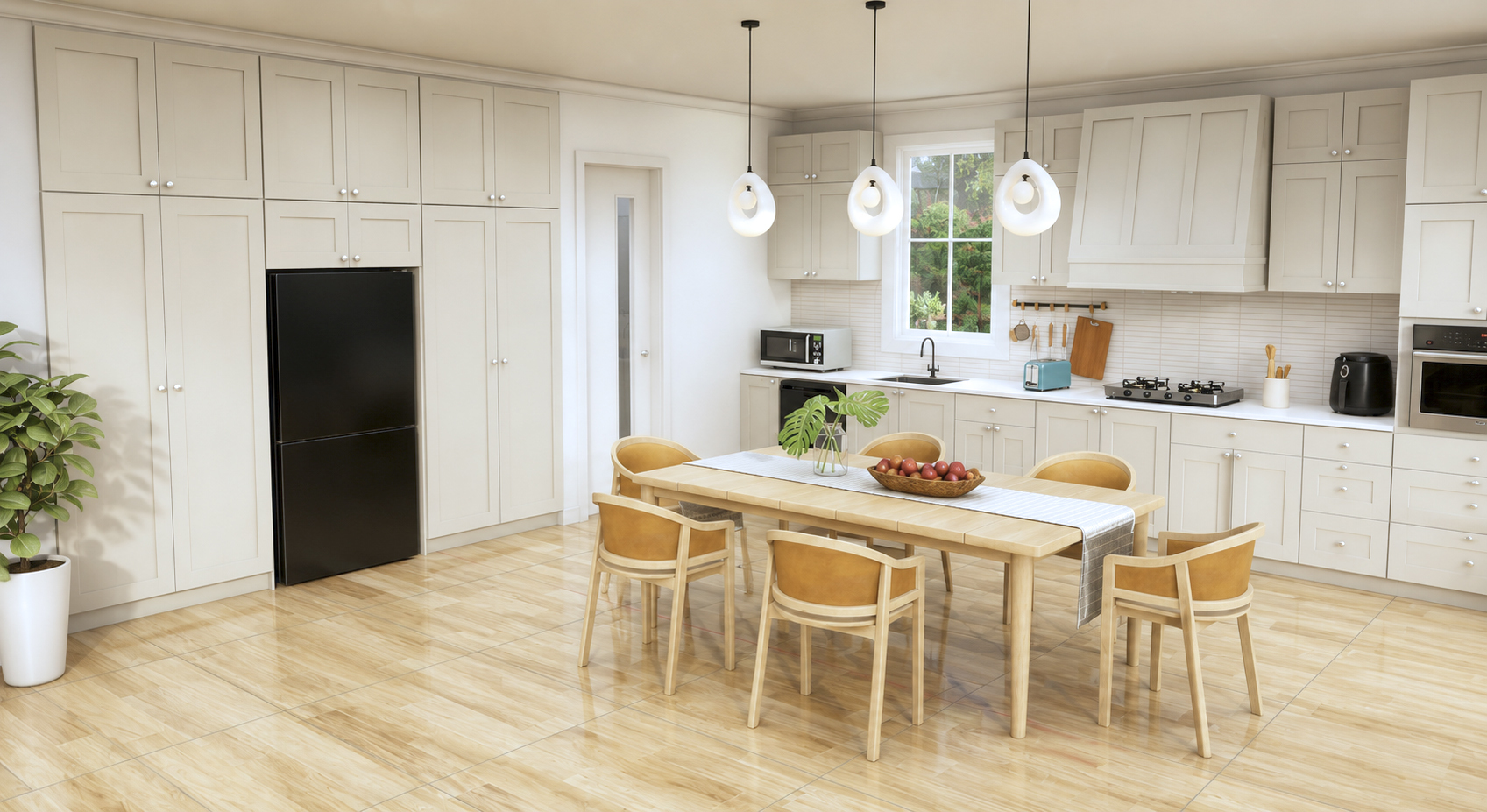
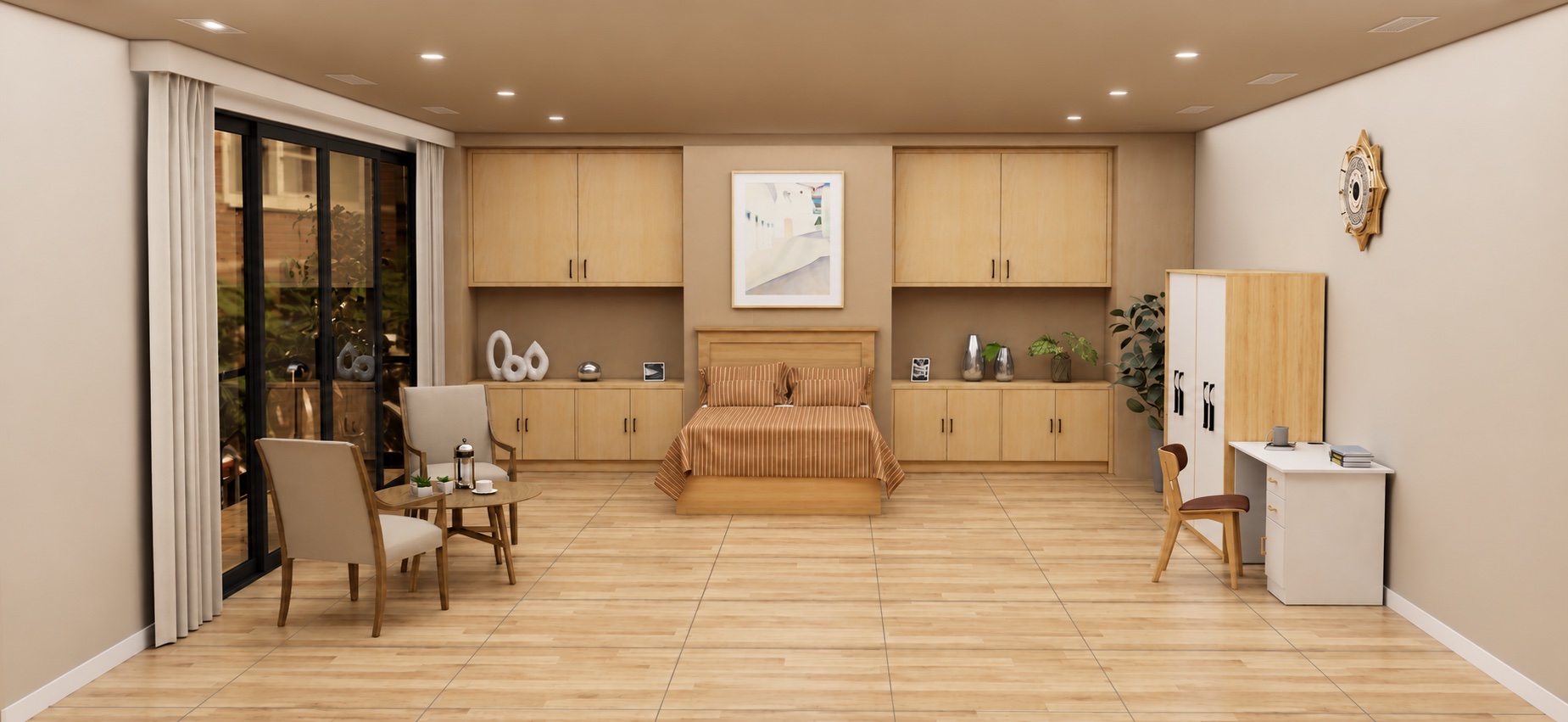
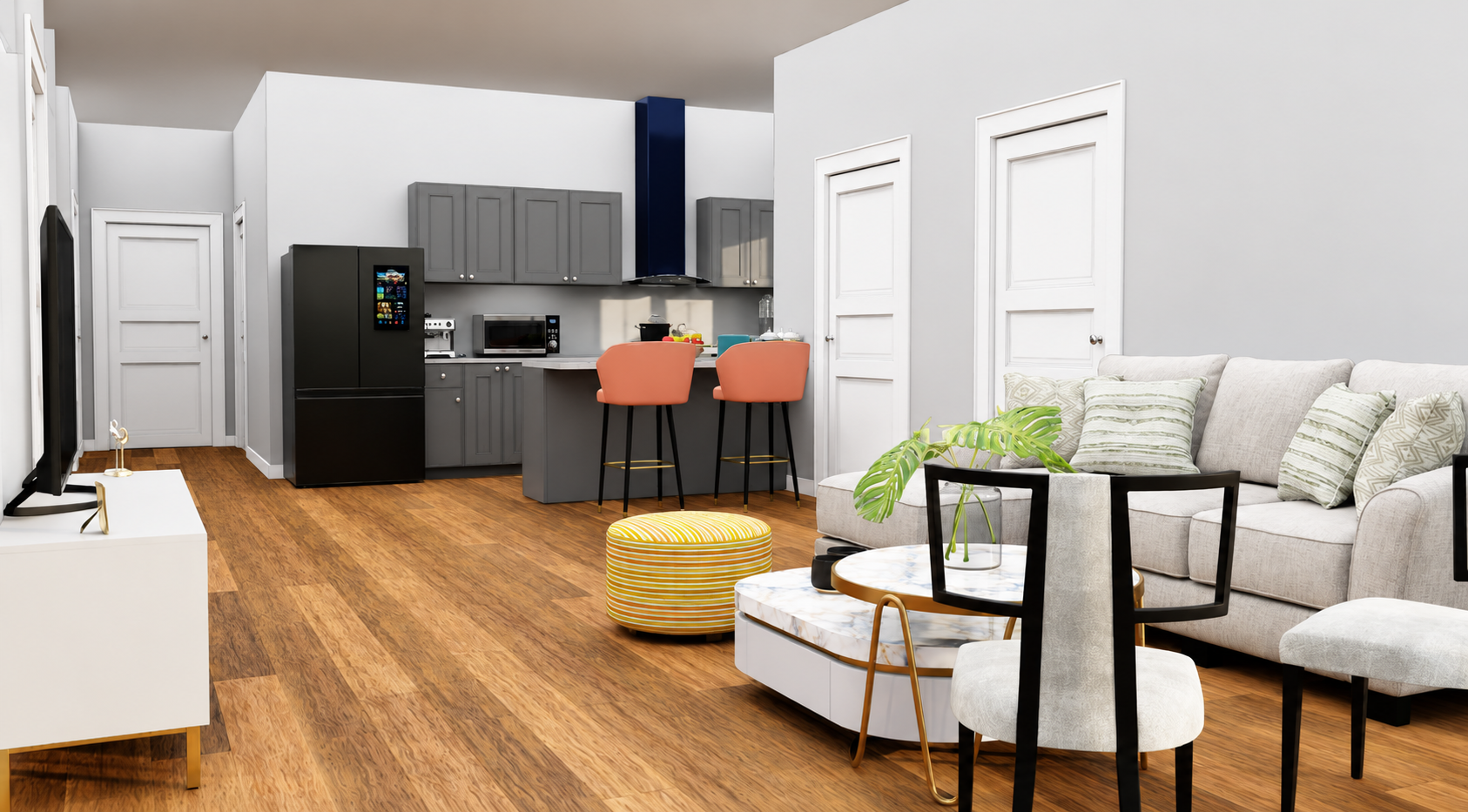
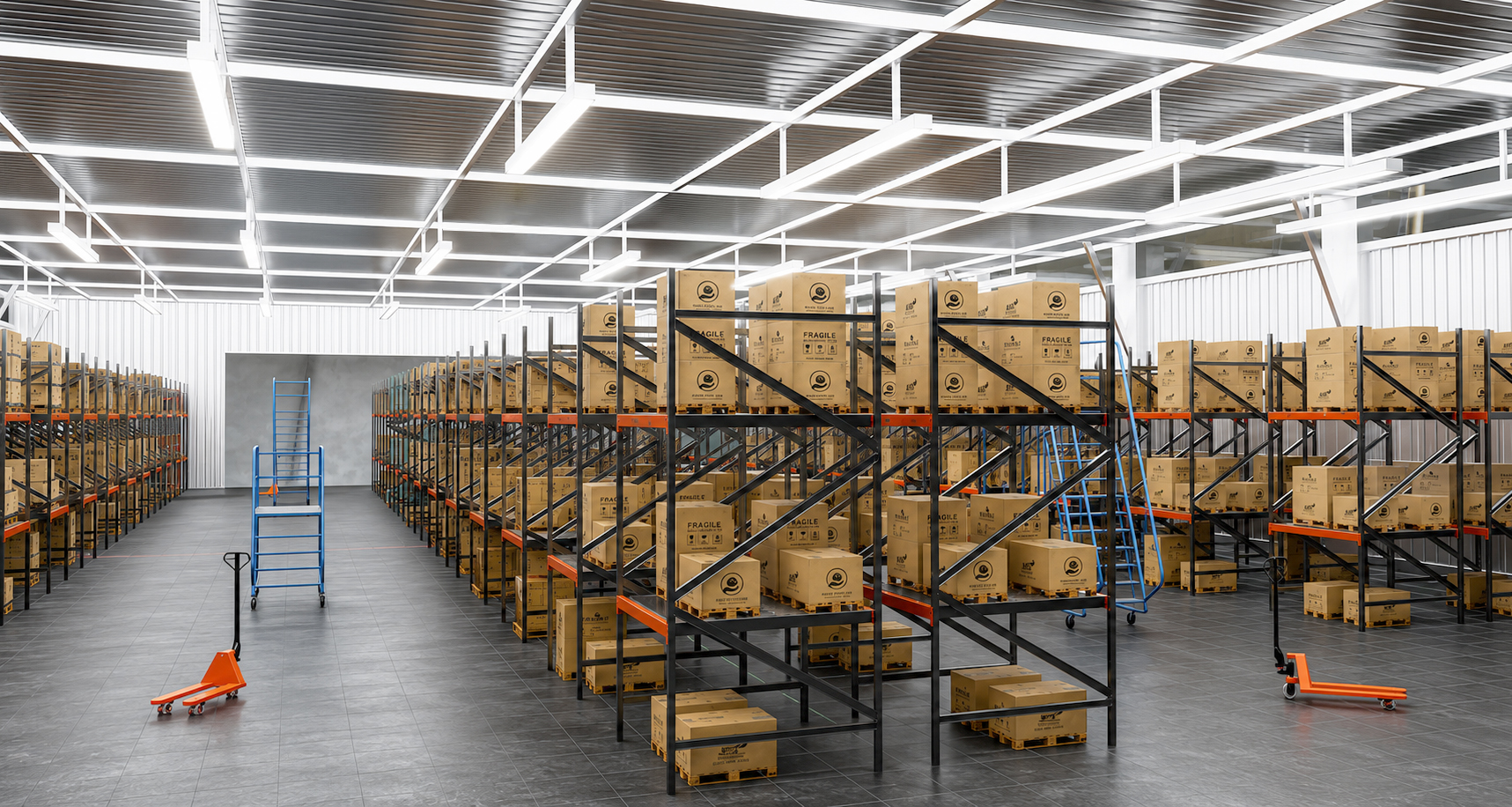
Environments
Complete scenes for navigation, manipulation and interaction.
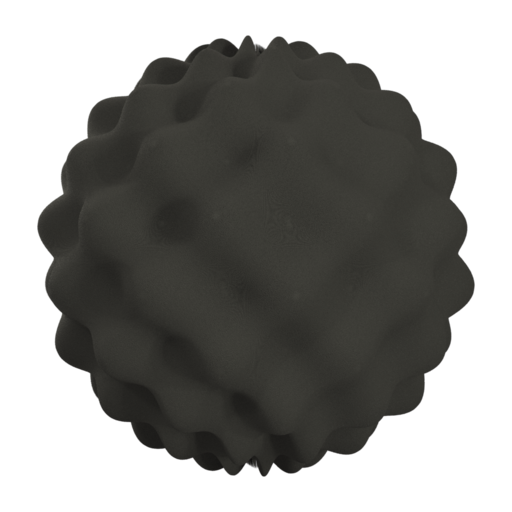
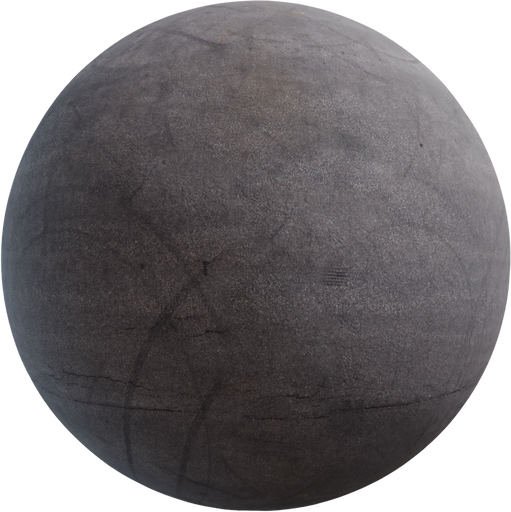
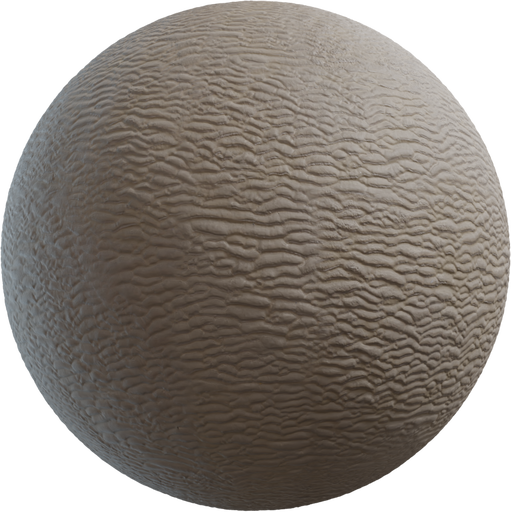
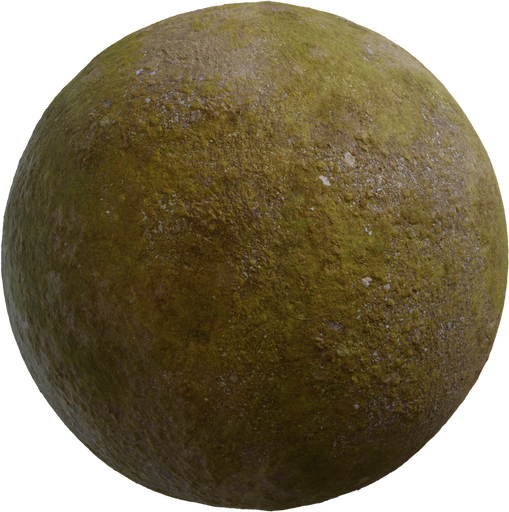
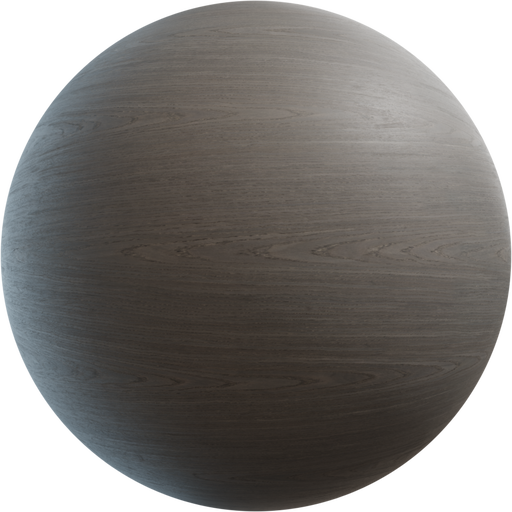
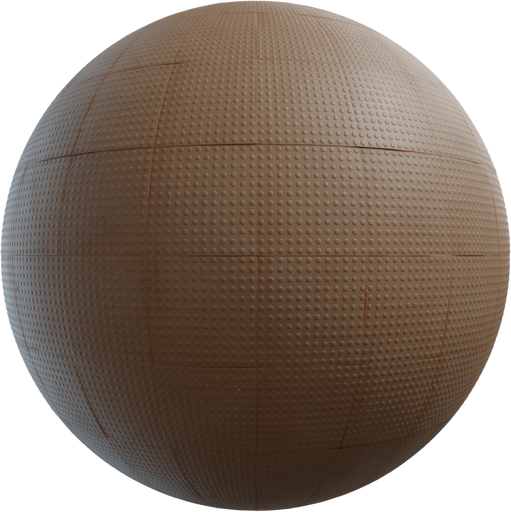
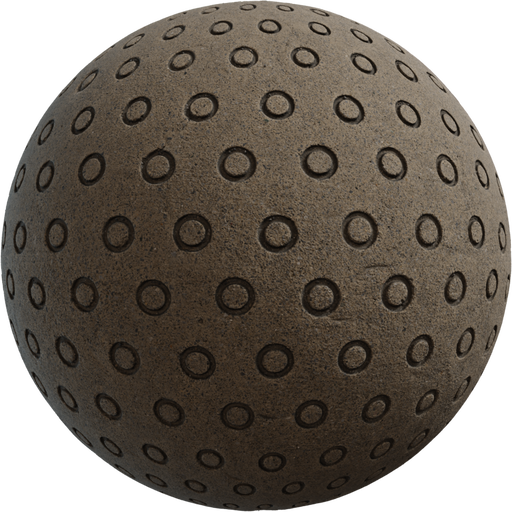
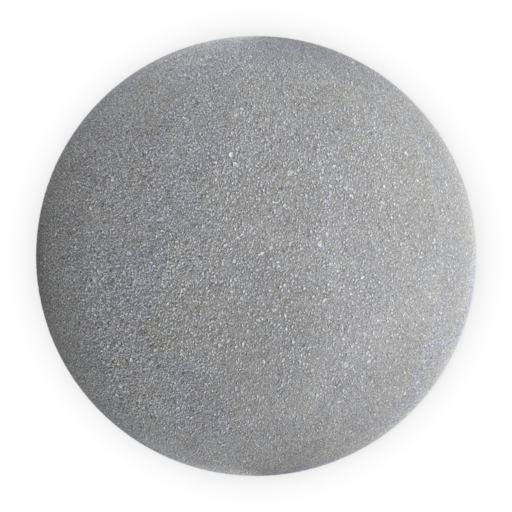
Materials
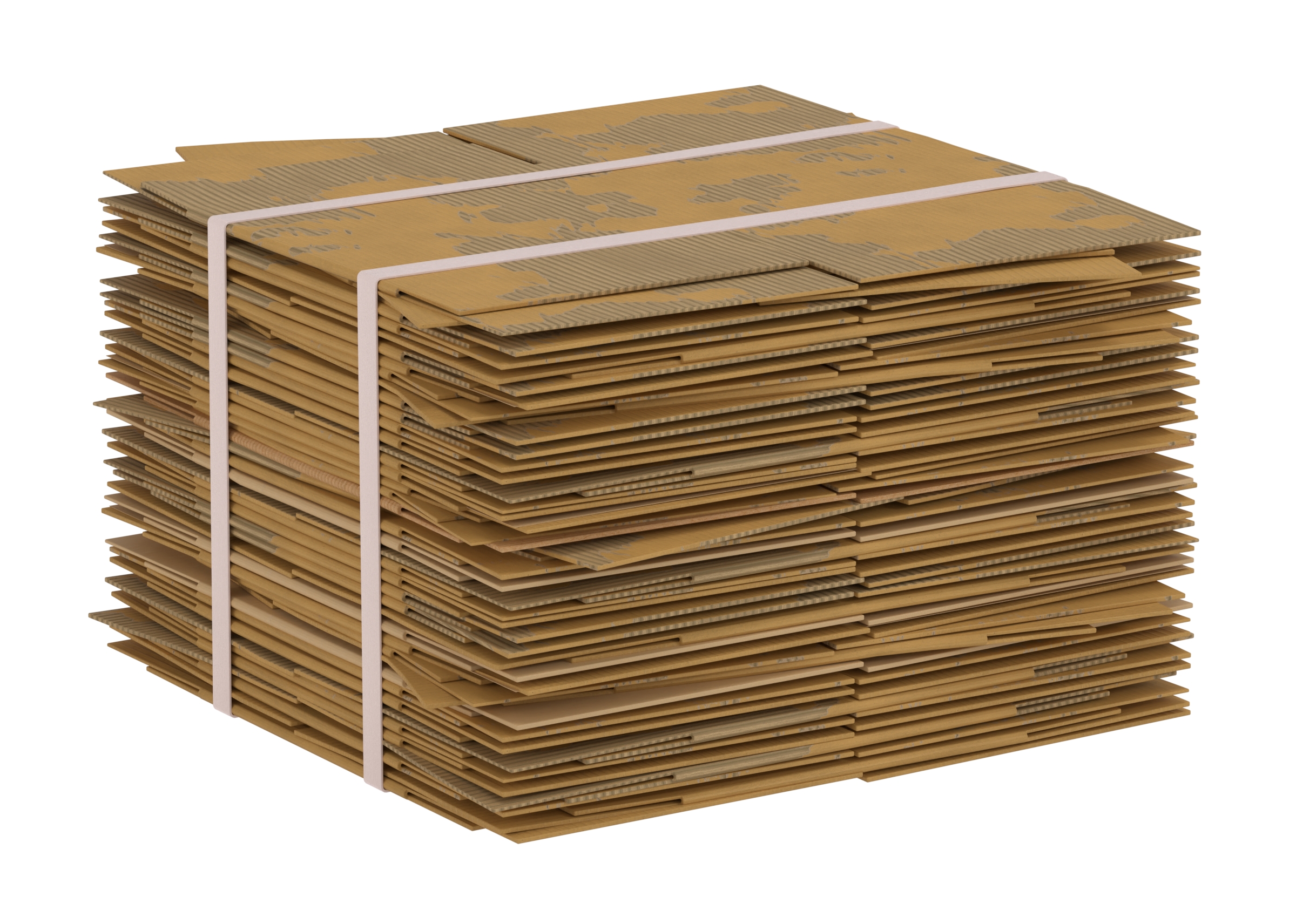
PBR surfaces and available physical properties for the details that matter.
Your facility. Built for simulation.
Commission a custom digital twin with the assets, interactions and USD scene your robotics task needs.
From a reference.
To moving parts.
One image, an AI-generated washing machine. Watch its lids open in the simulation capture.
Build geometry, add textures, then prepare collisions, physics and joints where needed. Inspect the completed result before downloading the USD package.
Create your asset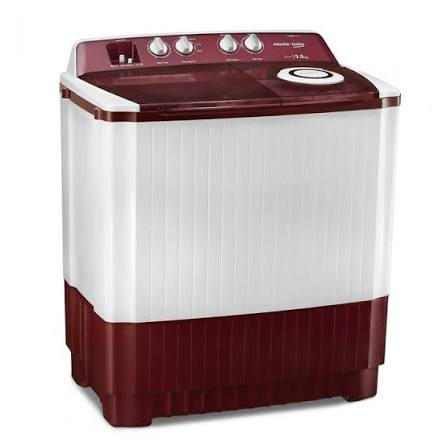
Looks right.
Built to work right.
Authored to the NVIDIA SimReady Foundation standard.
Spend less time fixing imports.
Real-world scale, clean geometry and consistent orientation give you an object you can place in your scene and build around.
- Scale & units
- Mesh topology
- Normals & orientation
Make contact count.
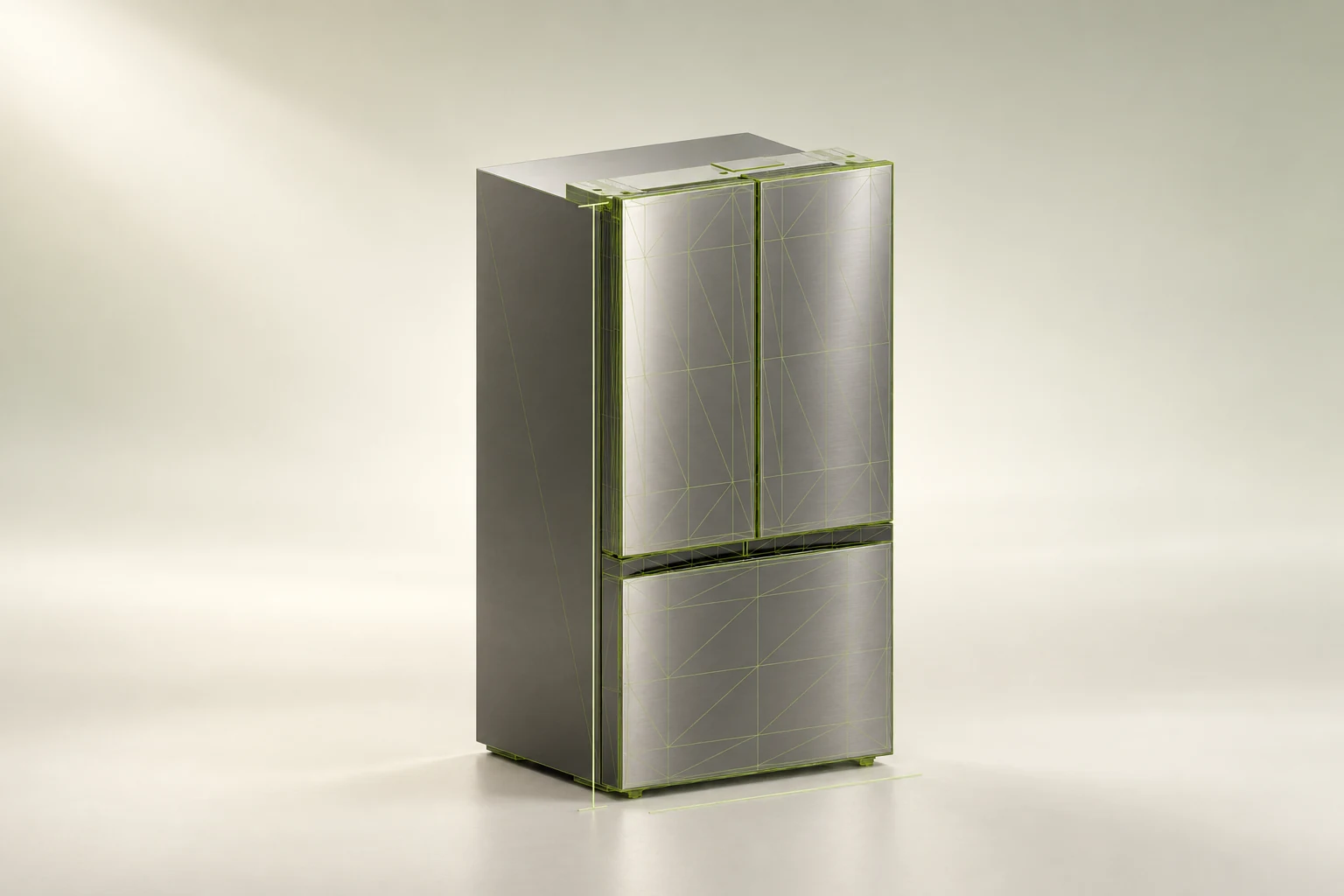
Collision shapes define where objects meet. Mass, friction and restitution shape how they respond to a grasp, a push or a placement.
- Collision shapes
- Mass properties
- Friction & restitution
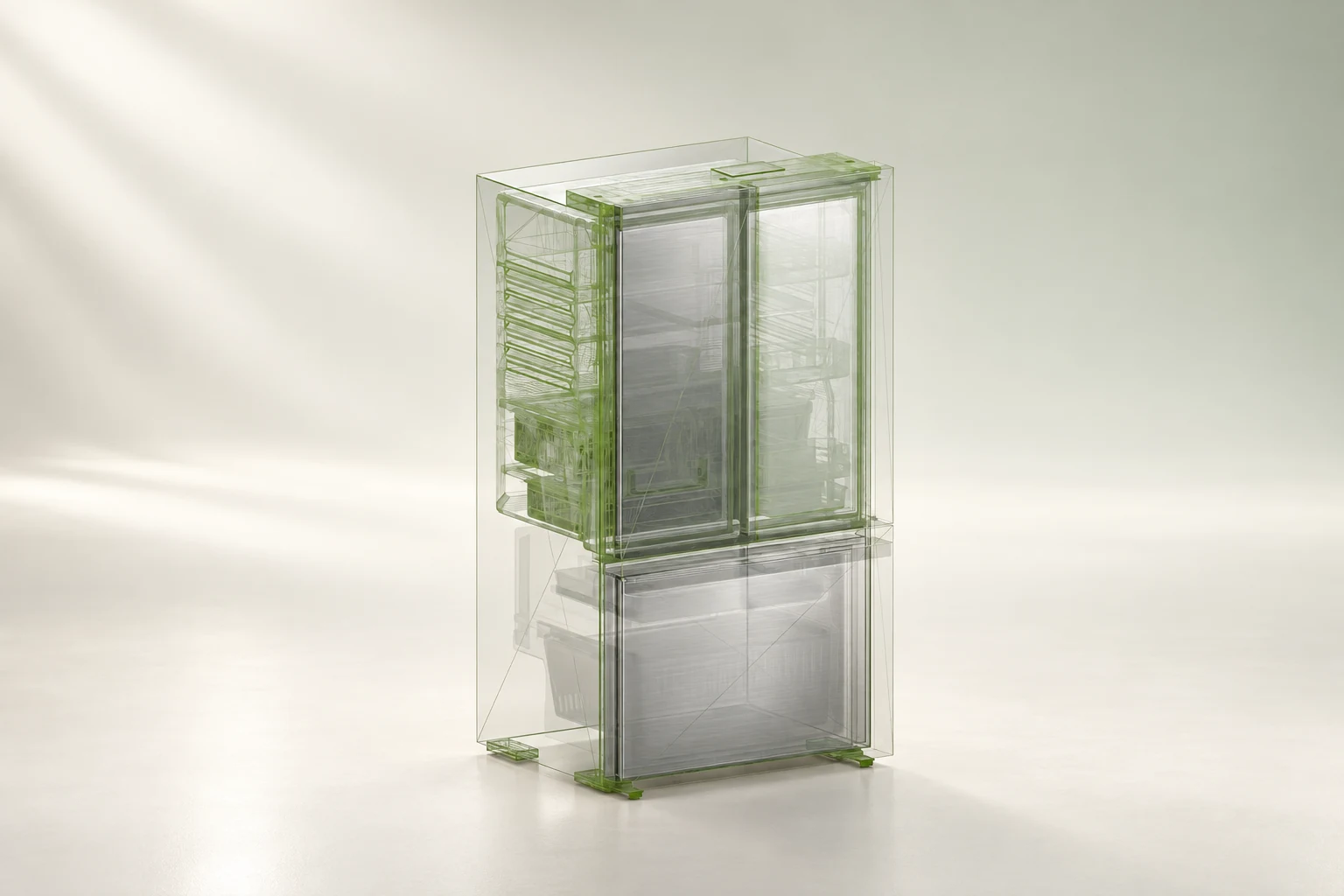
Give your robot something to do.
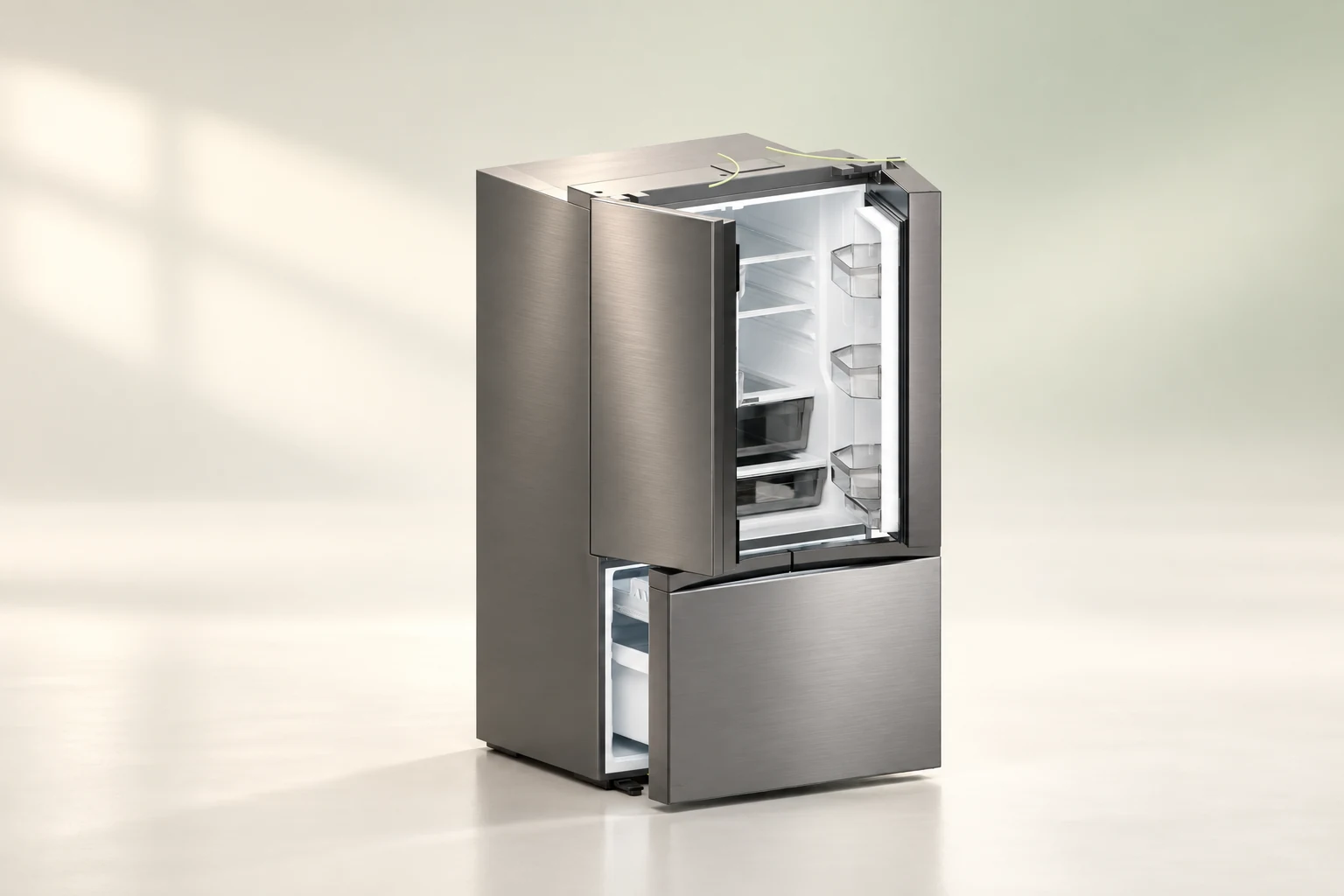
Open a door. Pull out a drawer. Authored joints and motion limits give your robot moving parts to work with.
- Hinged doors
- Sliding drawers & shelves
- Joint limits
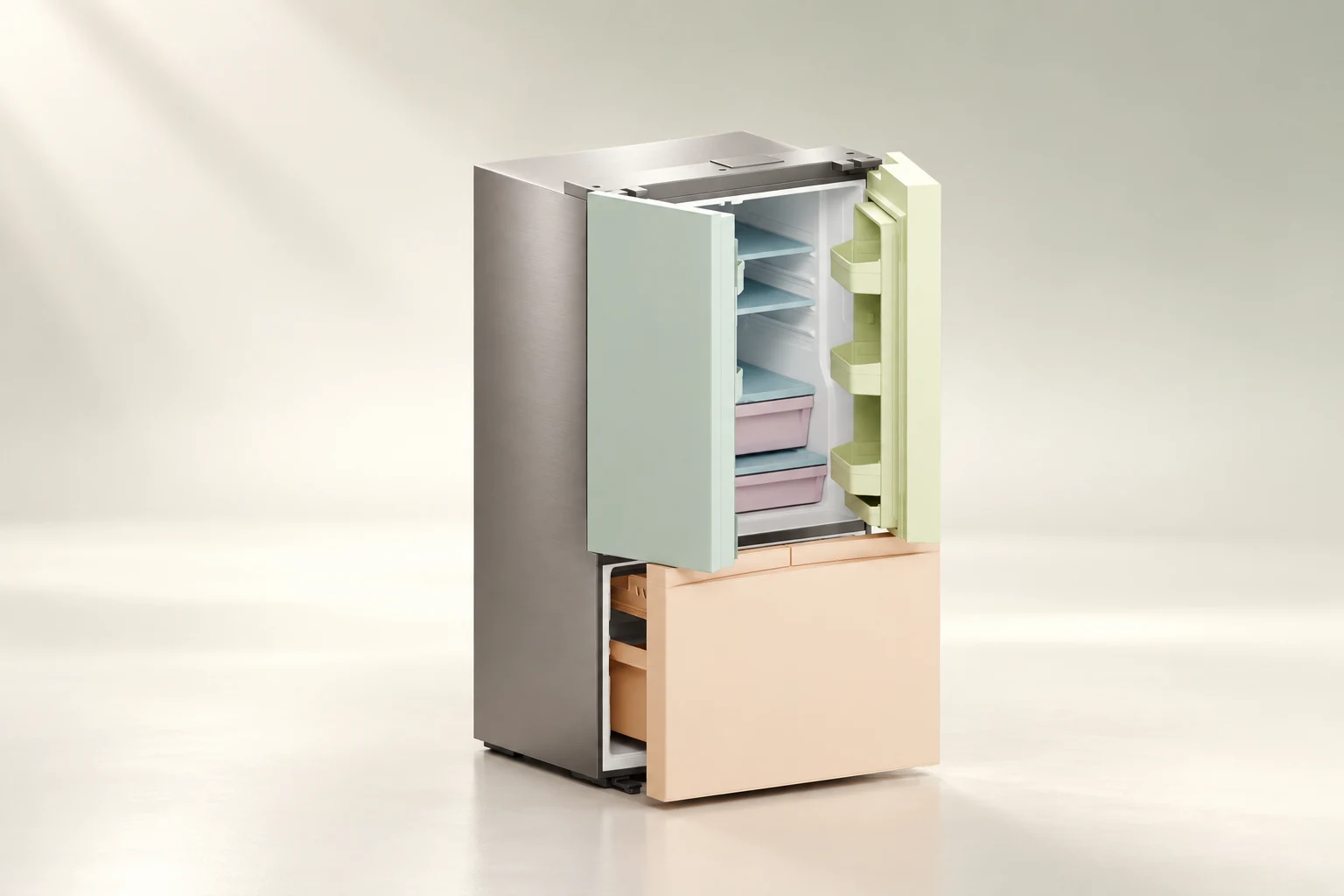
Connect appearance with meaning.
PBR materials describe surfaces. Semantic labels identify objects and parts, helping you build perception tasks around what the robot sees.
- PBR materials
- Object semantics
- Part identity
Requirements vary by target profile. Check each asset’s properties and runtime compatibility in the library.
One world.
More ways to understand it.
Start with a complete environment for navigation and manipulation. Explore the same space through color, depth, surface normals, and semantic output.
Explore environmentsWhat the camera sees.
Rendered appearance for visual perception, with the lighting, surfaces, and occlusion of a complete environment.
Actual simulation output